The challenge
Reece accepted returned plumbing parts from trade customers in good condition, including stock originally bought from competitors. By the time a part comes back out of a van the barcode and label are usually gone, and the returns desk still has to identify it and match it to a SKU before it can be restocked — often with staff who have never seen that part before.
The work
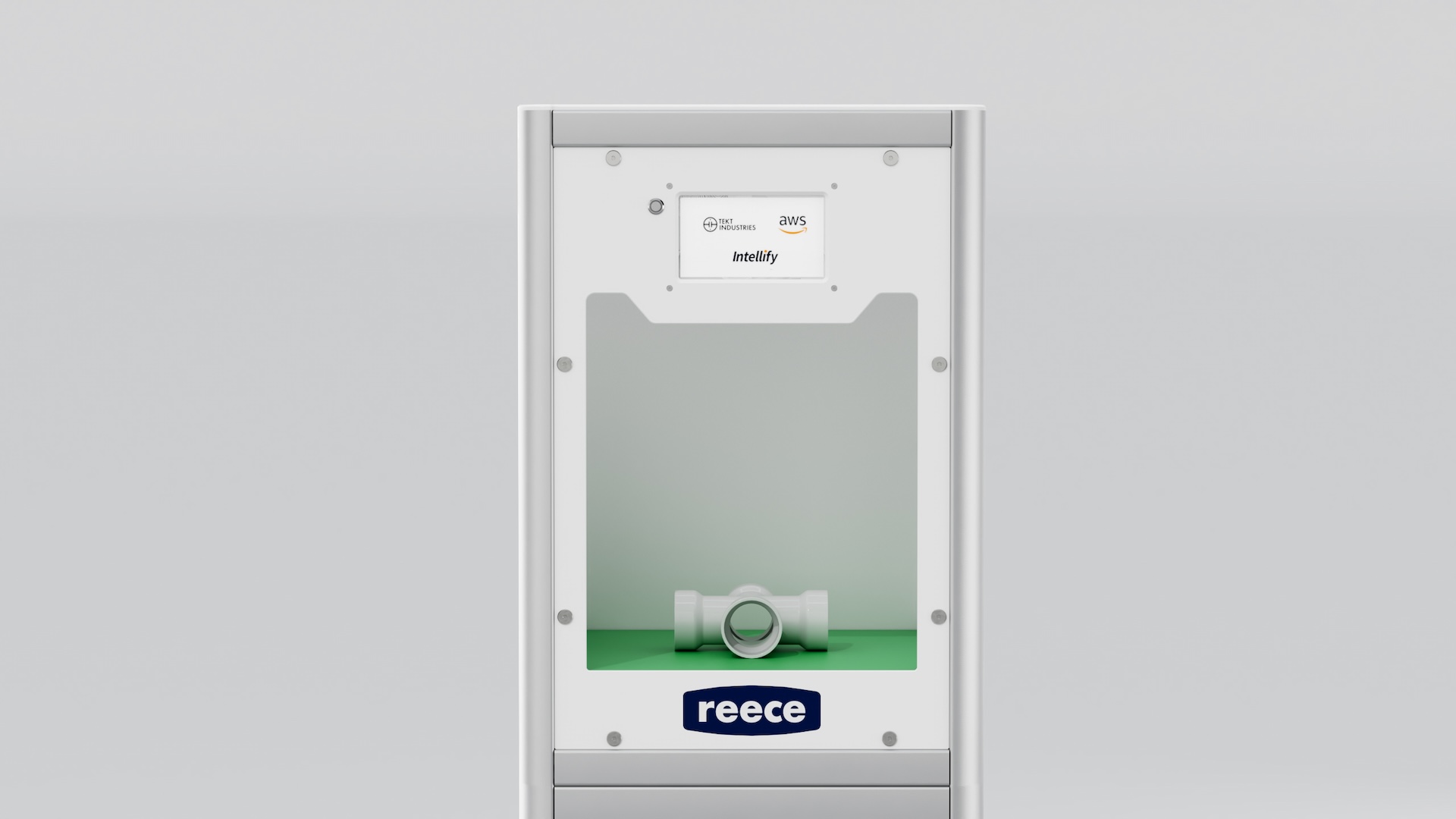
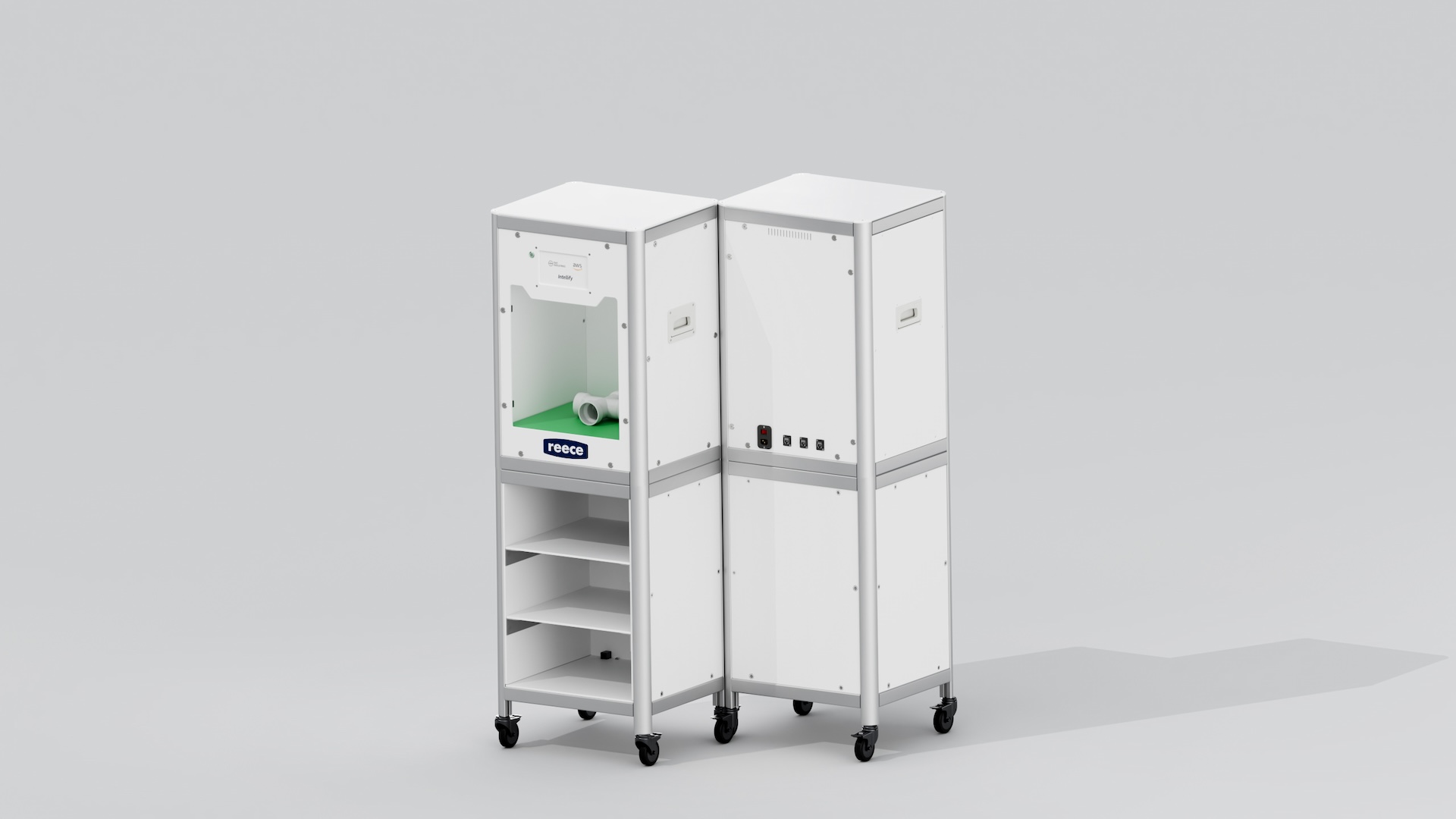
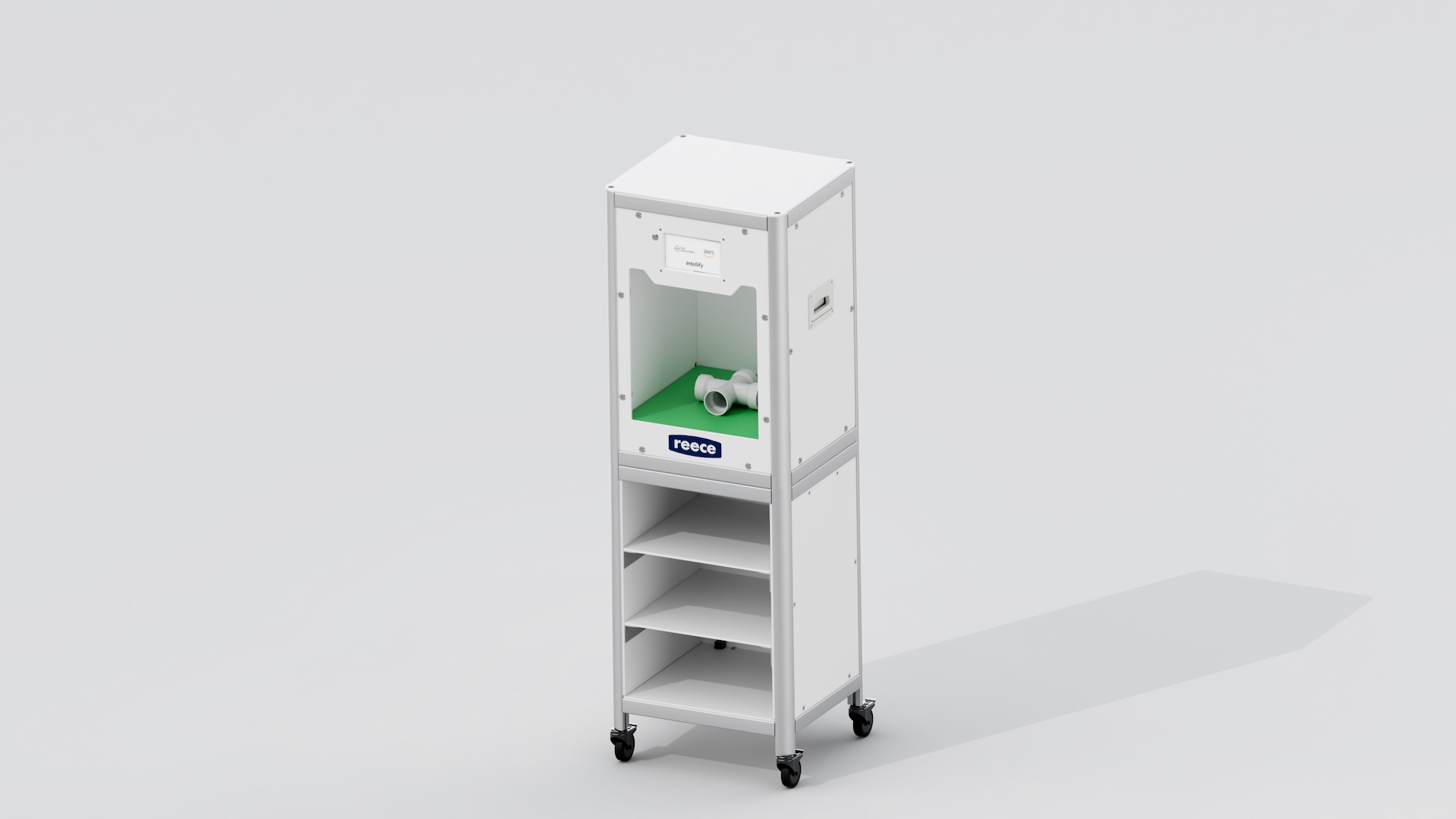
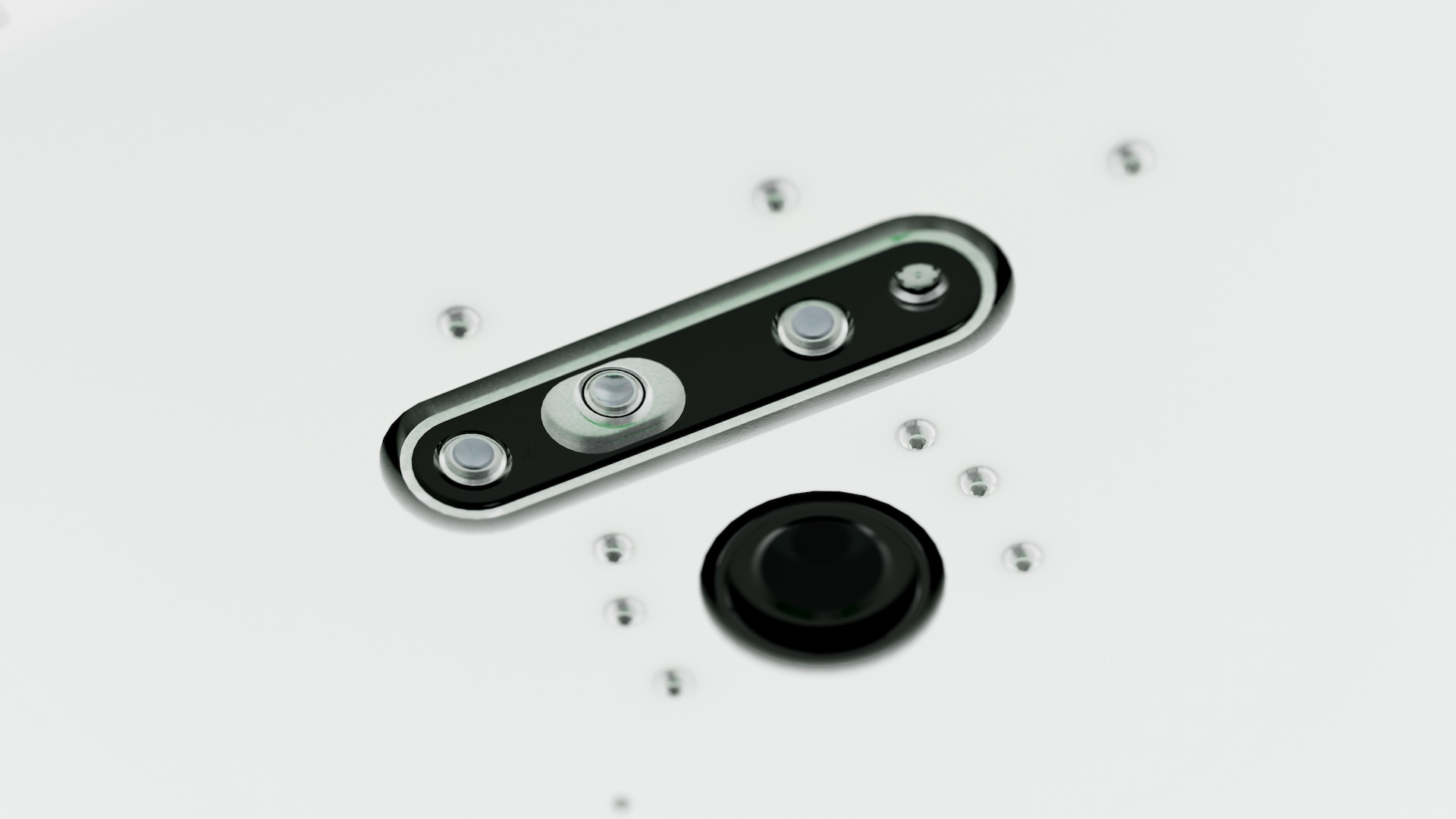
AWS Prototyping brought Reece to Tekt as their technology partner. We did the industrial design for a custom cart, built the prototype, wrote the interface and the software, integrated a weigh scale, and ran a trained vision model at the edge on NVIDIA Jetson alongside AWS vision services. The rig photographs a part and weighs it, then uses both data points together to identify it.
Two problems shaped the design.
Optics and lighting
Plumbing parts are close to uniform in colour, so an uncontrolled photograph gives a model very little to separate. We built controlled lighting into the rig and set parts down on a chroma-key green surface — green because it is a colour that barely exists in plumbing hardware, which yields a clean outline. A calibrated reference let the system infer dimensions as well as appearance. Optics and lighting were the whole game here: a vision model is only as good as the image going into it.
The returns workflow
The second problem was not optical at all. A scan has to land in Reece's ERP, so mapping the returns workflow and the business process around it was as much of the job as the recognition, for a user who is not a specialist.
The outcome
The concept was proved on forty parts, and the rig then went back to Reece and AWS for trials in their own labs and in the field.