The challenge
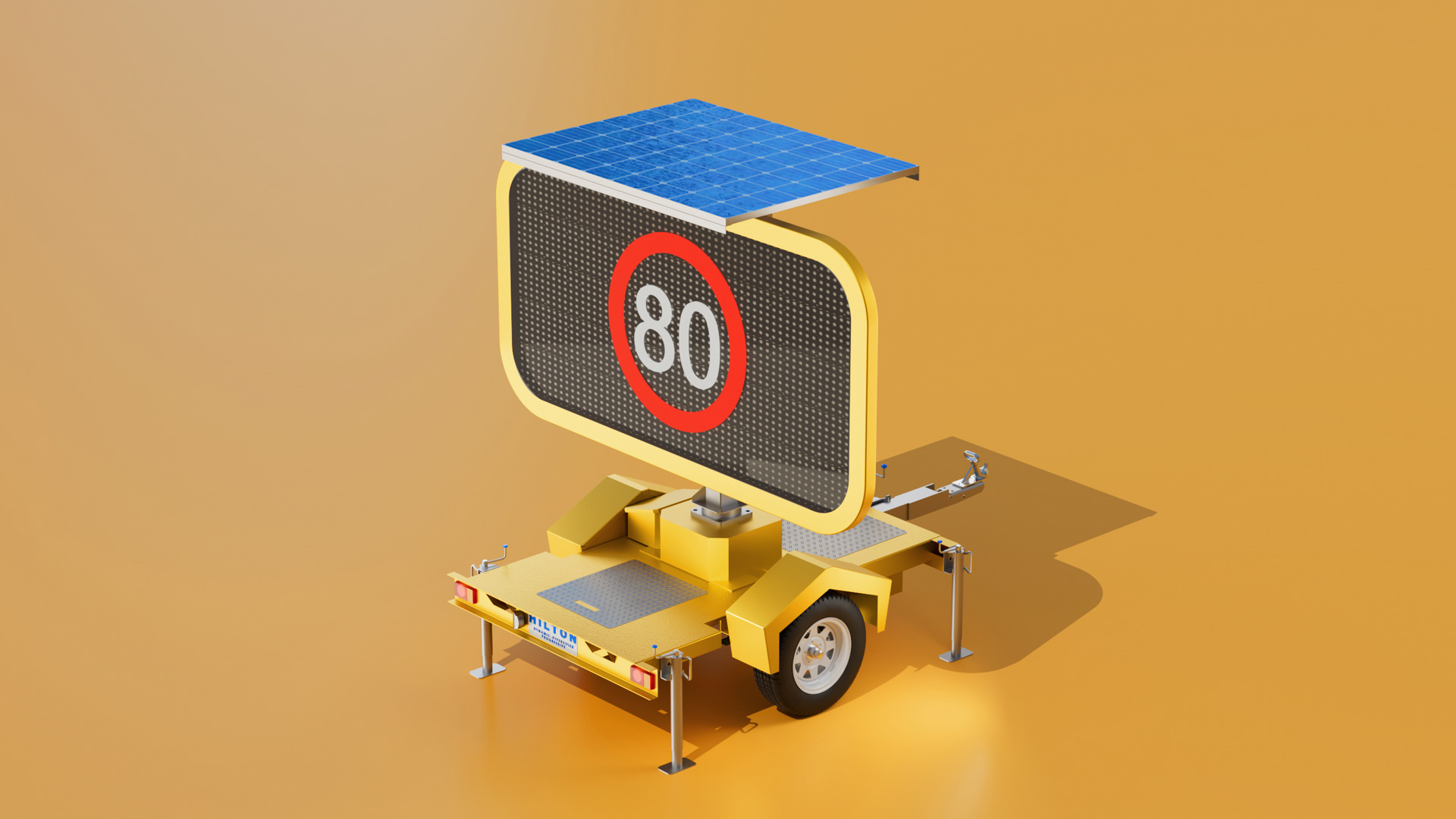
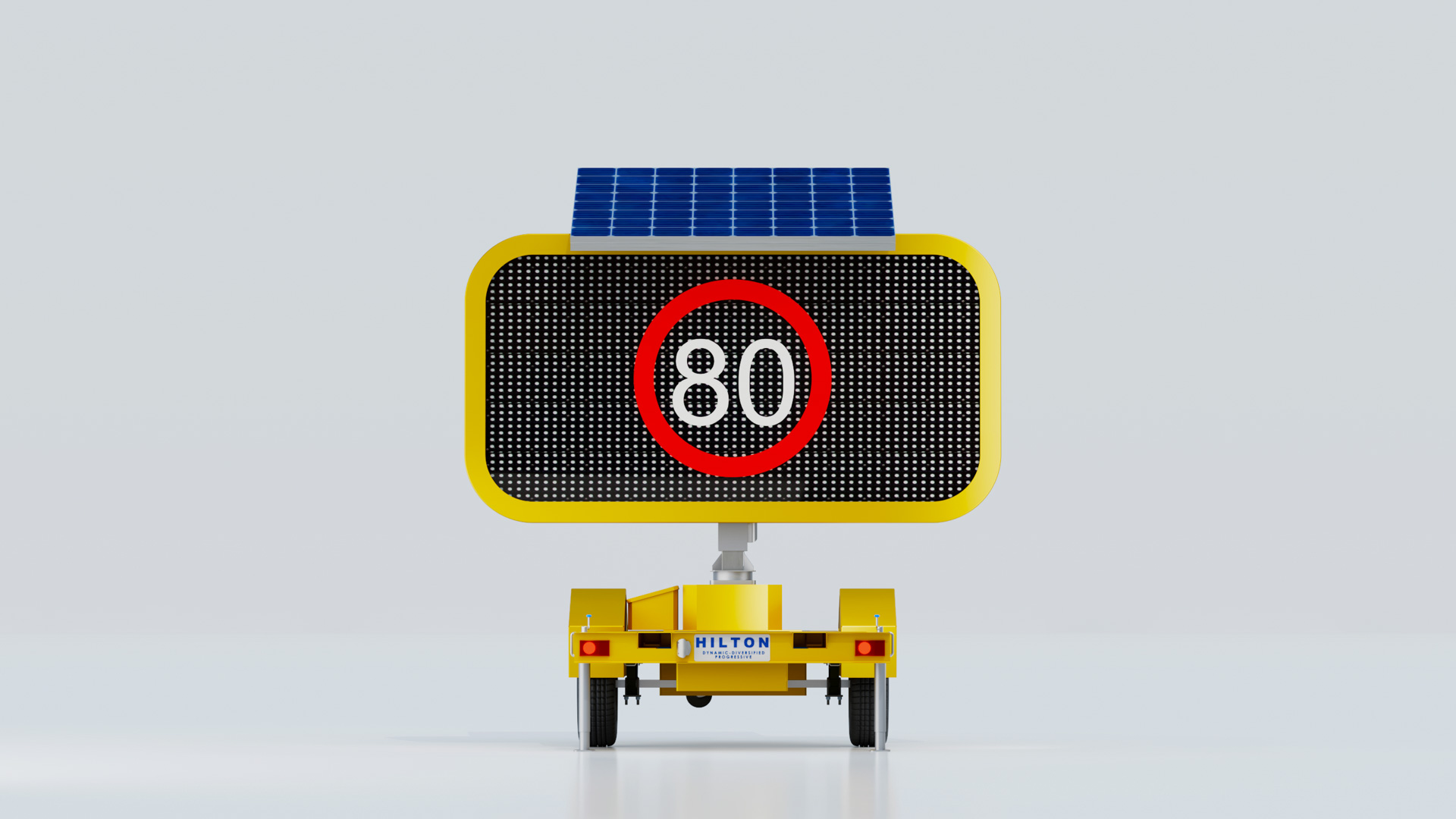
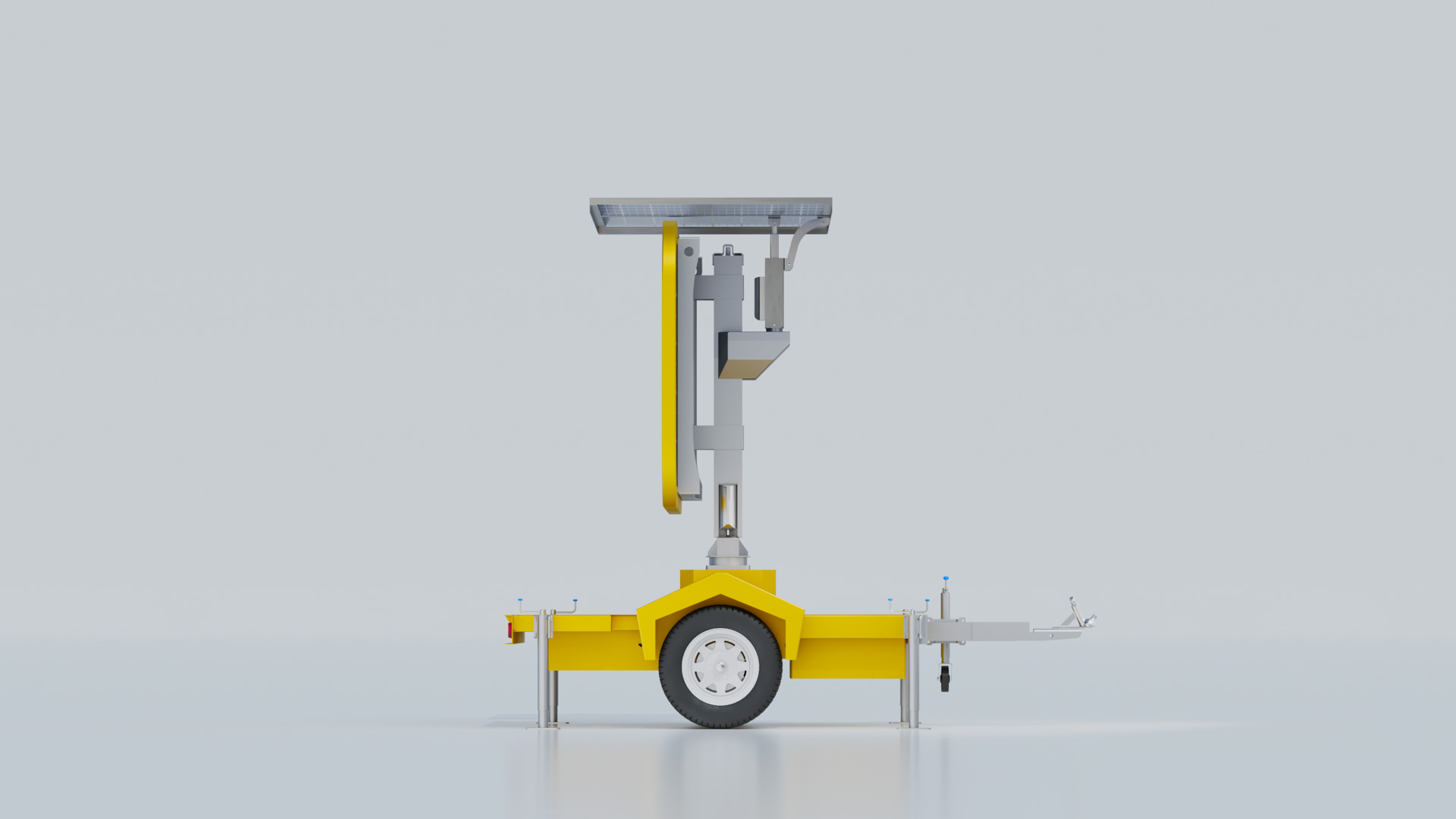
Hilton Manufacturing had sophisticated sheet metal and trailer manufacturing south of Melbourne, and no electronics capability. They spun up a new brand, Hilton Digital, to enter connected road signage — and needed a variable message sign and a variable speed limit sign in order to bid a large tender attached to the highway expansion on the road from the city to Melbourne Airport.
It was the first variable message sign Hilton had ever built, and the tender date was fixed.
The work
Tekt built all of it: the electronics, the motor control, the solar charging, the cellular backhaul, and a custom LED panel control system that could display not only speeds but video content.
The display chain
The display driver was a full FPGA-based HDMI-to-LED full-colour driver and mapping solution, feeding low-cost RGB LED panels, with a first-generation Raspberry Pi Compute Module acting as the video generation system. That combination is what let a speed sign also carry video.
The trailer, the boards and the build
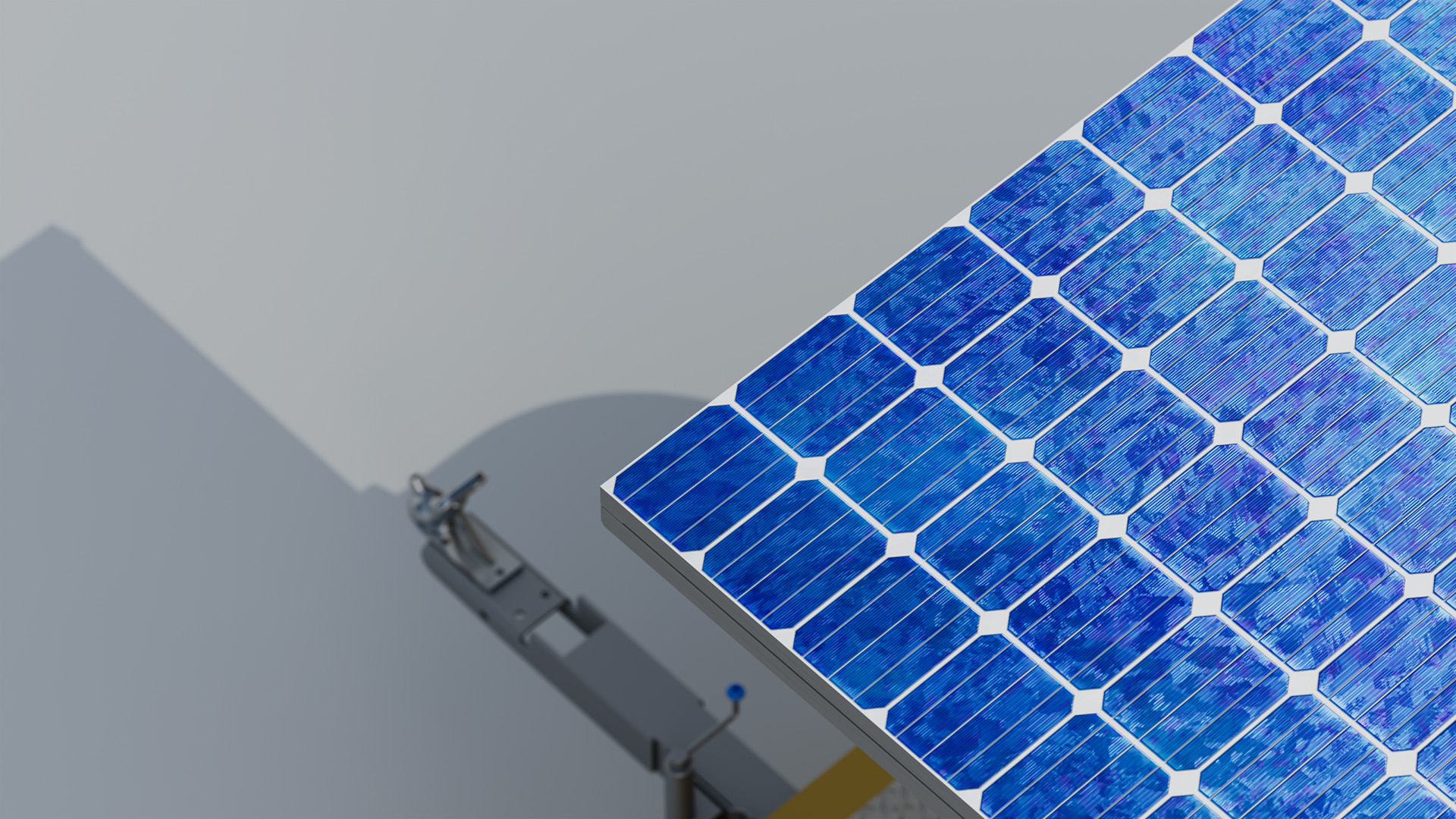
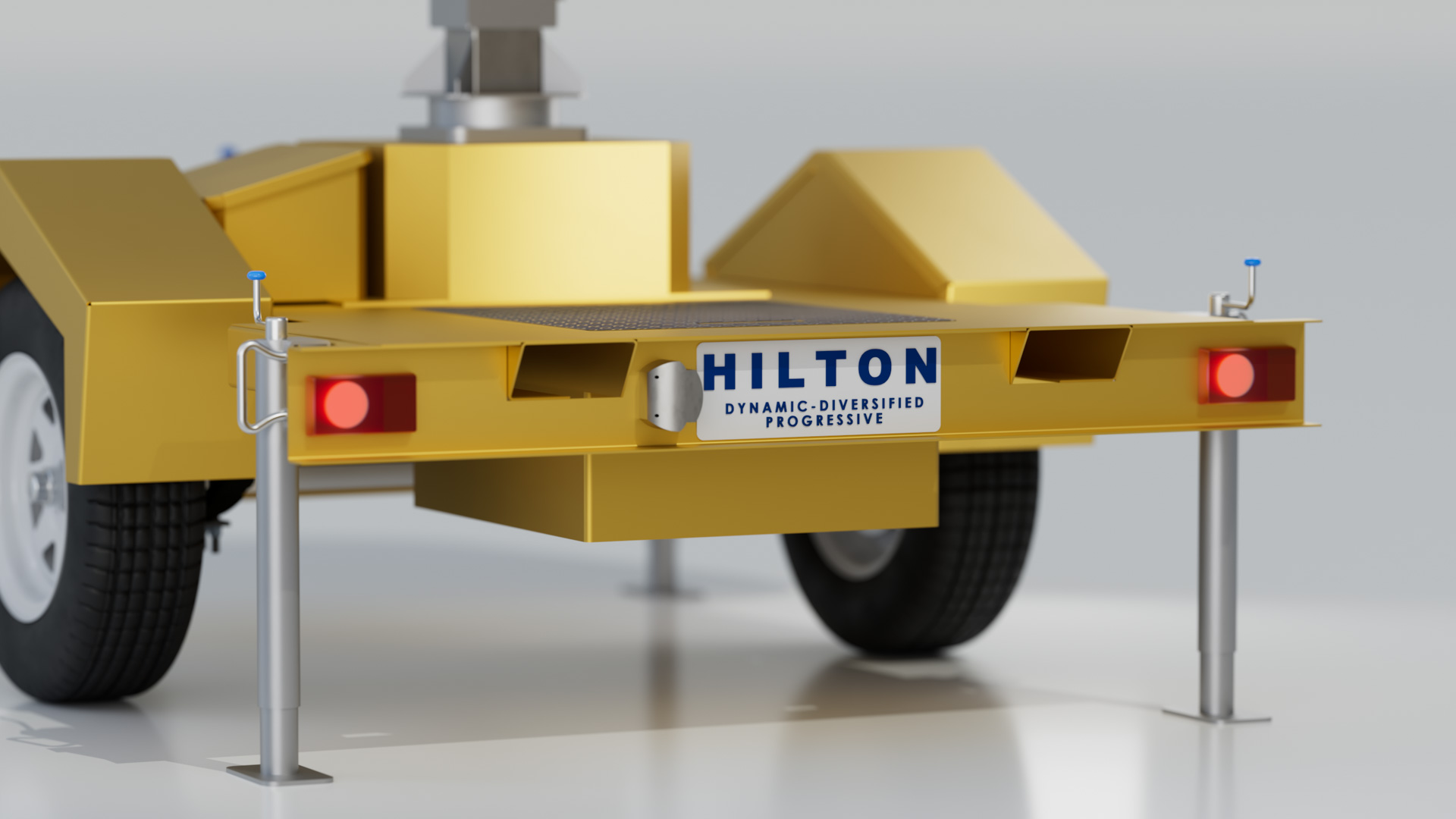
Around the display sat the rest of the trailer: motor control for the sign's movement, solar charging to keep it running unattended, and cellular backhaul. The unit could be updated remotely with new content and scheduled speed displays, and reported telemetry back — an early example of the connected hardware now classified as IoT.
Sixteen different custom circuit boards. Four different custom firmware targets. Fifty units were built by Tekt across all the hardware for the initial tender release, delivered in record time against a very tight deadline.
After the tender
The client won the tender, then took the design in-house to refine and optimise for their longer-term range.
About the client
Hilton Manufacturing came to this work as a sheet metal and trailer manufacturer. Hilton Digital, the brand spun up to carry it, now produces arrow boards, mobile traffic lights, mobile security cameras, variable message signage and variable speed limit signage.